
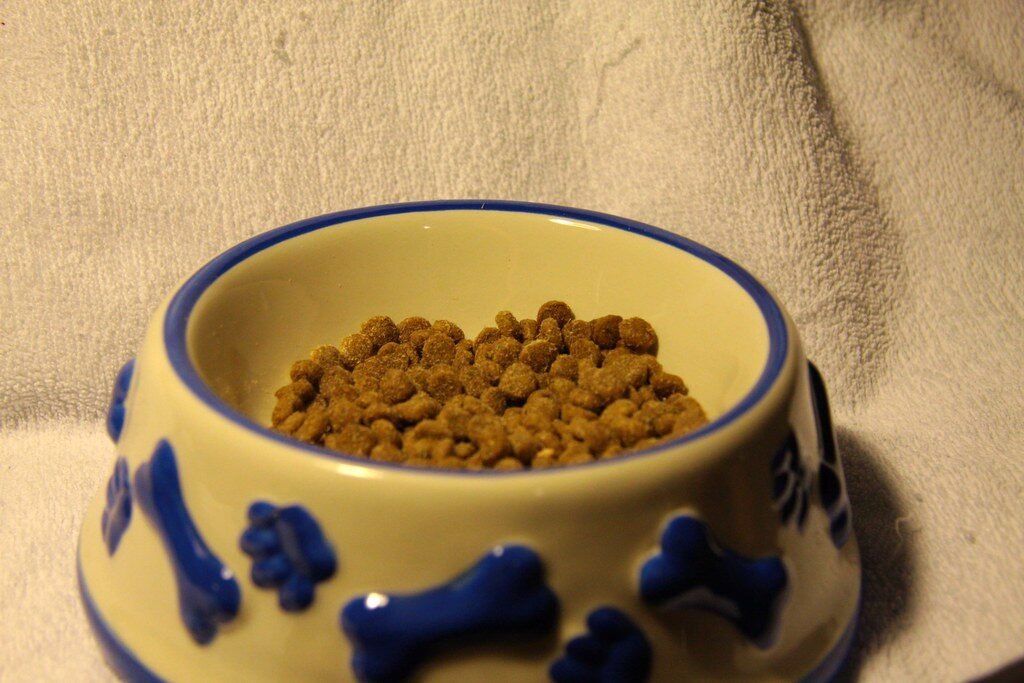
In 2026, dog owners are more attuned to pet nutrition than ever, but even high-quality or popular foods aren’t perfect for every dog. A food might be “complete and balanced” on paper, yet cause issues due to individual sensitivities, intolerances, allergies, poor ingredient quality, or mismatch with your dog’s age, breed, activity level, or health needs. Food intolerances (non-immune digestive reactions) are more common than true allergies, but both can mimic each other.
Veterinarians stress: Don’t ignore subtle or persistent signs—they often indicate the current diet isn’t optimal. Many problems resolve with a vet-guided switch to a better-suited formula (e.g., limited-ingredient, sensitive stomach, or hypoallergenic). Always consult your vet before changing food, as symptoms can overlap with parasites, infections, pancreatitis, or other conditions.
Here are the most common vet-recognized signs that your dog’s food may not be agreeing with them, grouped by category.
1. Gastrointestinal (GI) Upset – The Most Frequent Red Flag
These digestive issues often appear within hours to days of eating and point to poor digestibility, intolerance, or imbalance.
- Frequent vomiting or regurgitation after meals.
- Diarrhea, loose/soft stools, or inconsistent bowel movements (e.g., too frequent or straining).
- Excessive gas (flatulence), bloating, gurgling stomach, or abdominal discomfort (hunched posture, whining).
- Constipation or irregular poops.
- Increased drooling, lip licking, or nausea signs.
Why it happens: Ingredients like certain grains, fats, or proteins may irritate the gut; low-quality fillers or sudden changes worsen it.
2. Skin and Coat Problems – Often Linked to Food Allergies or Sensitivities
Skin issues are a hallmark of food allergies (immune response to proteins like beef, chicken, dairy, wheat) and can appear even if the stomach seems fine.
- Persistent itching, scratching, licking, or chewing (especially paws, ears, face, belly, armpits, or tail base).
- Red, inflamed, or flaky skin; hot spots; rashes.
- Frequent ear infections (redness, odor, discharge) or skin infections.
- Dull, dry, brittle coat; excessive shedding or hair loss.
- Smelly skin or coat.
Note: Food allergies often cause year-round itching (no seasonal pattern) and may lead to secondary yeast/bacterial issues.
3. Energy, Weight, and Overall Condition Changes
Nutritional mismatches affect vitality and body composition over time.
- Lethargy, low energy, or seeming “off”/less playful.
- Unexplained weight gain (despite portion control) or obesity-related issues.
- Unexplained weight loss or poor muscle maintenance.
- Loss of appetite or picky eating (refusing food they once loved).
4. Other Subtle or Chronic Signs
- Bad breath or excessive tartar buildup (beyond normal dental needs).
- Tear staining (chronic around eyes, especially in light-coated breeds).
- Increased thirst/urination or other urinary changes.
- Chronic ear issues without obvious infection cause.
When to See a Vet Immediately
- Symptoms last more than 24–48 hours.
- Blood in vomit/stool, severe lethargy, dehydration, or refusal to eat/drink.
- Sudden severe vomiting/diarrhea (could indicate poisoning or pancreatitis).
- Any suspicion of toxic ingestion.
Vets may recommend:
- A food elimination trial (8–12 weeks on a novel/hydrolyzed protein diet).
- Diagnostic tests (bloodwork, fecal exam, allergy testing).
- Switching gradually (over 7–10 days) to avoid worsening GI upset.
Bottom Line: Listen to Your Dog
Your pup can’t complain verbally, but these signs are their way of saying “this isn’t working.” In 2026, with so many excellent options (vet-recommended brands like Royal Canin, Hill’s, Purina Pro Plan, or limited-ingredient lines), finding a better fit is easier than ever. Track symptoms, note when they started relative to diet changes, and work with your vet—they’ll help pinpoint if food is the culprit and guide a safe transition.
A thriving dog has bright eyes, shiny coat, steady energy, firm stools, and enthusiasm for meals. If something feels off, trust your instincts—adjusting the diet could make a world of difference in their health and happiness!